—From the Wranglers That Didn’t Exist Yet to the Rifle John Wayne Used First
The Rifleman remains one of the most beloved Westerns in television history. For five seasons, millions of viewers tuned in to watch Lucas McCain (Chuck Connors) and his son Mark (Johnny Crawford) navigate the challenges of frontier life in the New Mexico Territory. It was the first network television series to portray a single parent raising a child, and the father-son bond at its center made it unforgettable.
But like any classic show produced under the pressures of 1950s television, The Rifleman had its share of mistakes, bloopers, and behind-the-scenes surprises that only die-hard fans might notice.
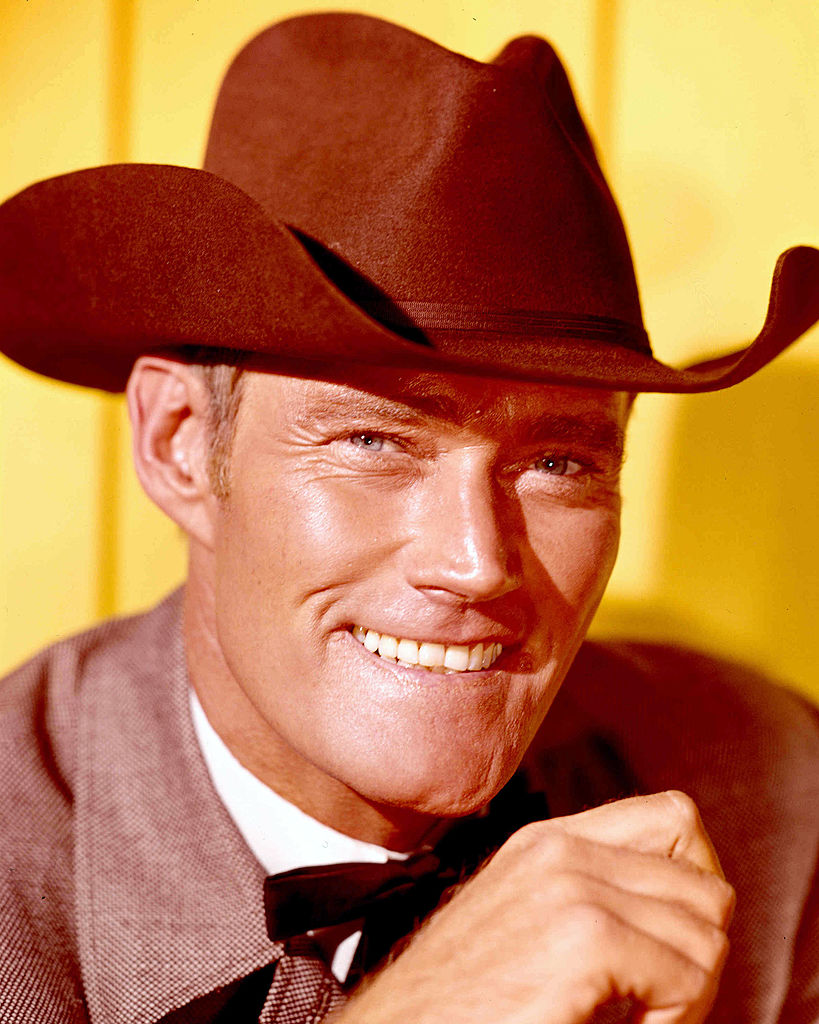
Lucas McCain: A Trendsetter Half a Century Ahead of His Time
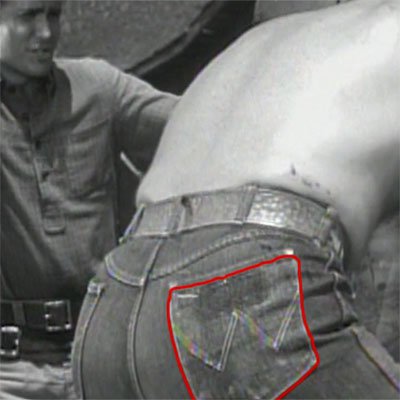
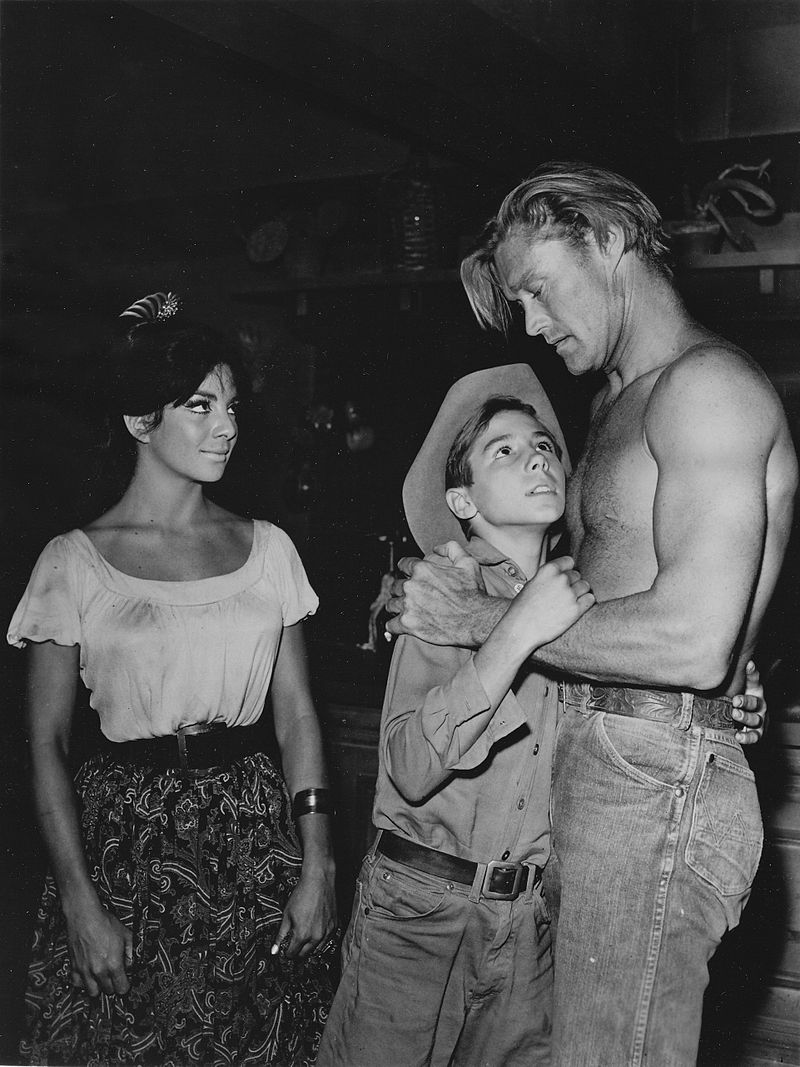
It’s no surprise that a cowboy rancher preferred jeans. But in the episode “End of a Young Gun,” a shirtless Lucas McCain can be seen repairing a wagon wheel — and if you look closely at his back pocket, you’ll spot the unmistakable “W” stitching of Wrangler jeans.
The problem? The series is set in the 1880s, but Wrangler jeans weren’t manufactured until the 1940s — a full half-century later. Lucas McCain wasn’t just a sharpshooter. He was apparently a time traveler.
The Rifle That Belonged to John Wayne First
The show’s iconic rifle wasn’t just any prop. According to producer Arnold Laven, the customized Winchester used by Chuck Connors was the same rifle used by John Wayne in the 1939 classic Stagecoach.
A prop man at Paramount Studios devised the screw in the trigger guard that allowed the gun to fire each time it was levered — a modification that made the rifle’s rapid-fire action possible. The production team made five copies.
There was also a historical inconsistency baked into the weapon itself: the rapid-firing Winchester Model 1892 used in the famous opening sequence did not exist in the show’s 1870s-1880s timeline.
The Left-Handed Rifleman
Chuck Connors was left-handed. But if you watch the opening credits closely, you’ll notice something strange. In the opening sequence, he holds the barrel with his left hand while operating the rifle with his right. In the body of the show, he holds with the right while operating with the left. And the end credit art shows him holding the operating end in his right hand.

It’s a continuity puzzle that fans have debated for decades.
Casting: The Star Who Almost Said No
Chuck Connors initially turned down the role of Lucas McCain because the salary was too low. The producers considered James Whitmore and John Anderson for the part. But after seeing Connors’ chemistry with Tommy Kirk in the 1957 film Old Yeller, they realized he was the only choice. They returned with a much higher salary — and a 5% ownership stake in the series — which convinced him to sign on.
Connors’ Real Son Made an Appearance
The father-son bond on screen was powerful. But Chuck Connors’ real-life son also made a brief appearance on the show. In the episode “Tension,” Connors’ son Jeff played a character named Toby.
The “Madera Hotel” That Kept Changing
Budget constraints meant that sets were frequently reused. The “Madera Hotel” appeared in multiple episodes — but observant fans noticed that its furniture, wallpaper, and signage kept shifting between appearances. What was meant to be a consistent location became a running joke for dedicated viewers.
Trees That Don’t Grow in New Mexico
The show was set in the New Mexico Territory. But the trees growing all over the ranch land in the opening sequence — Valley Oaks and Live Oaks — do not occur naturally in New Mexico. They were filmed on the Fox Movie Ranch in Thousand Oaks, California, where the exterior shots were actually captured.
The Coffee Cup That Was Already Empty
In the episode “The Apprentice Sheriff,” about ten minutes in, Lucas is talking with Charlie Willard. The camera angle is high enough to reveal that Lucas’ coffee cup is empty — or nearly so — yet he keeps sipping from it.
The Wanted Poster That Changed
In the episode “Tension,” when Clemmie unfolds a wanted poster, it’s creased and wrinkled. But when the camera moves in for a close-up, the poster is suddenly smooth and pristine.
The Fake Wound That Moved
In the episode “The Sheridan Story,” a character named Blandon is supposed to have a missing arm. But in several scenes, his “missing” arm/hand can be seen moving under his shirt. The character’s arm wasn’t actually missing — it was rendered useless after a war wound.
The Bottles That Broke Themselves
In the episode “Guilty Conscience,” Lucas shoots several bottles in a saloon. But after they break, there are no bullet holes in the panel behind them — revealing that the bottles were props broken by special effects rather than actually shot.
The Kick That Came Too Late
In the episode “Tension,” when Ezra and Gavin Martin arrive at the McCain ranch, Gavin kicks Lucas. But Lucas flinches BEFORE the kick is thrown.
A Show Built on Heart, Not Perfection
Despite these mistakes, The Rifleman endures because of its authentic emotional core. The genuine mentor-student bond between Connors and Crawford translated into a believable father-son dynamic that resonated deeply with audiences. The show’s lasting legacy isn’t in its historical accuracy — it’s in its timeless lessons about courage, decency, and love.
The occasional blooper or anachronism? That’s just part of its charm. 🤠