Sarah found the receipt tucked inside the lining of Mark’s suit jacket—not because she was snooping, but because the dry cleaner had stapled it to the collar. The Ritz-Carlton. Three nights. A champagne package. And a separate line item for a jewelry store in the hotel lobby.
Her hands trembled. Mark had told her he was on a business retreat in Pittsburgh. The receipt said downtown Chicago.
She waited until Friday night. They were seated at their kitchen island, takeout containers between them. She slid the receipt across the marble. “Explain this.”
Mark looked at it. He didn’t flinch. He didn’t deny. He took a long, slow breath—the kind people take before jumping off a ledge. “I met someone,” he said. His voice was flat. Robotic. “It’s been going on for six months. I was going to tell you.”
No tears. No pleading. No “I love you.” Just cold, surgical honesty.
Sarah packed a bag that night. She stayed with her sister. The divorce papers came two months later. Mark signed them without a single argument. He gave her the house, the car, the savings—everything. She assumed it was guilt. She hated him for making it so easy, as if she had never mattered.
For a year, she rebuilt. Therapy. New friends. A promotion. She stopped checking his social media. She stopped wondering who she was. She convinced herself that the man she married had died long before the receipt ever left that printer.
Then, on a drizzly Tuesday morning, a lawyer called. Mark had passed away. Brain tumor. Glioblastoma. Stage 4 at diagnosis. He fought for eleven months—alone, without a single visitor, in a hospice three states away.
“He left you a box,” the lawyer said. “It was in his safe-deposit box. Instructions were to deliver it to you after.”
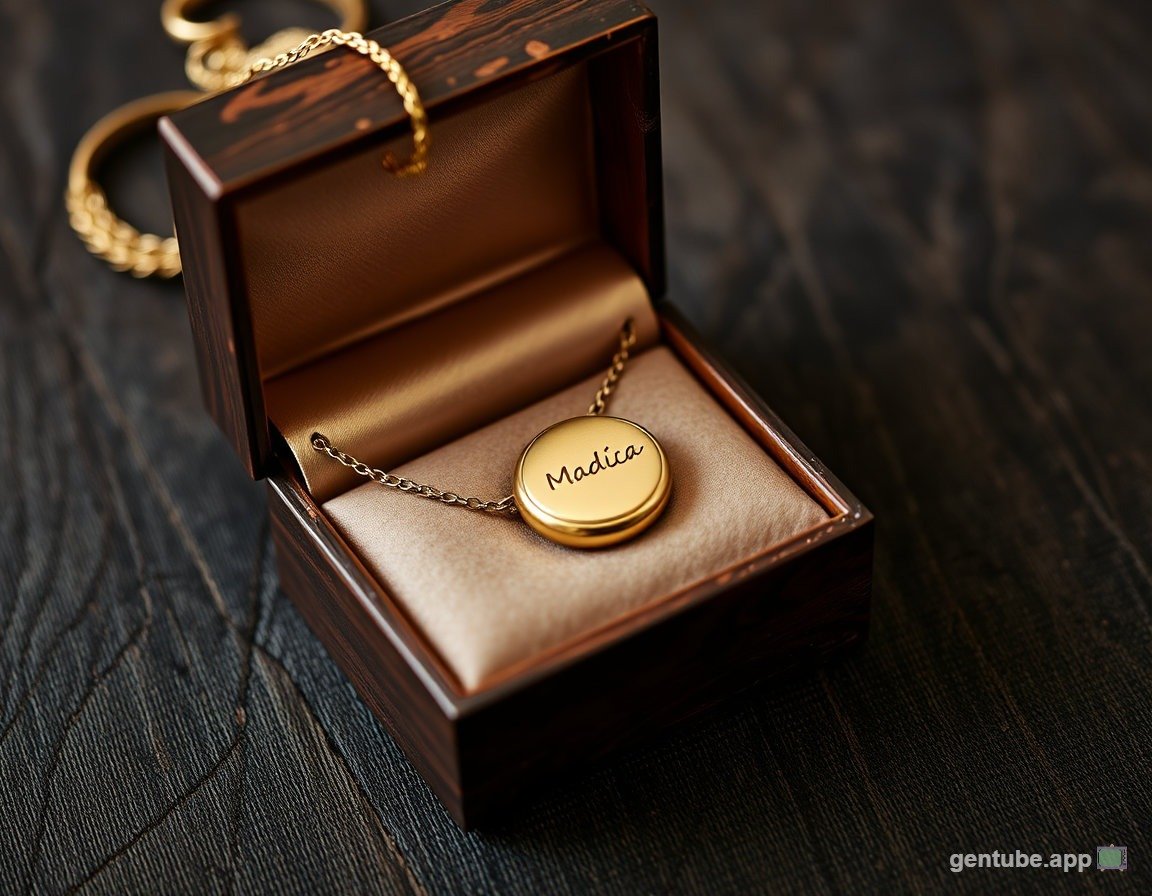
The box arrived via courier. Inside: the same jewelry store receipt from that night, now yellowed. And the necklace she never saw—a thin silver chain with a small, sleek pendant. She opened the pendant. It wasn’t a love note. It was a medical alert ID, engraved with her name and phone number. On the back: “If found unconscious, call this number. She is my emergency contact.”
Beneath it lay a journal. Mark’s handwriting. She read the first entry:
“The MRI came back. Six to eight months. Maybe a year with treatment. I watched my mother drain my father’s life for three years—every sleepless night, every hospital floor, every crushed hope. I won’t do that to Sarah. She is radiant. She deserves sunsets, not hospital rooms. So I’ll let her hate me. I’ll let her walk. I’ll wear the villain’s mask so she can have a hero’s future.”
The hotel nights? They weren’t for an affair. They were for experimental treatments at the University of Chicago Medical Center, adjacent to the Ritz. The “champagne package” was a nurse’s note recommending he stay hydrated post-chemotherapy. The jewelry receipt was for the medical ID—he had picked it up but couldn’t bring himself to give it to her, because giving it meant telling the truth.
Sarah scrolled to the final entry, dated three weeks before he died:
“I hope she’s happy. I hope she laughs. I hope she never reads this. But if she does—I’m sorry I broke your heart to save it. You were the best part of my life. That was never a lie.”
She is wearing the necklace now. Not because she forgives him. But because she finally understands: sometimes the deepest love wears the ugliest mask—to protect the one it can’t bear to destroy.