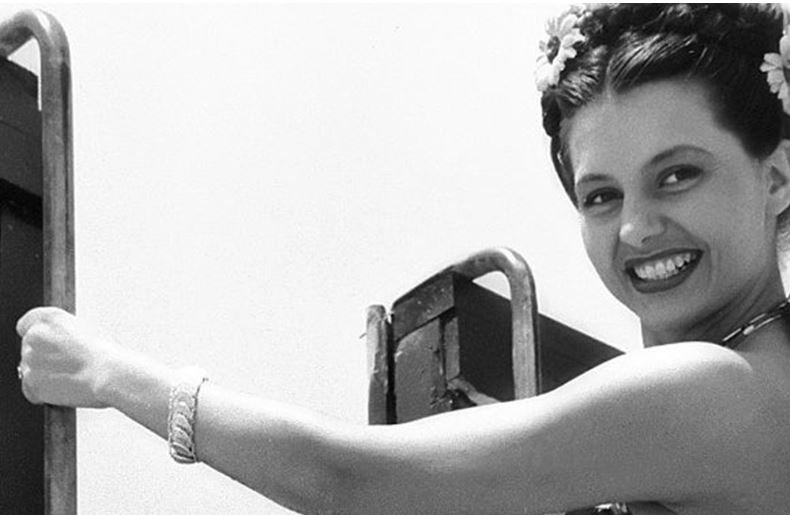
With her endless legs, captivating gaze, and effortless command of the dance floor, Cyd Charisse was the embodiment of grace and elegance during Hollywood’s Golden Age. She could sing, act, and move like a goddess—standing shoulder to shoulder with legends like Fred Astaire and Gene Kelly.
But her path to stardom was anything but easy. The story of how a sickly little girl from Texas overcame polio to become one of the greatest dancers in cinema history is as compelling as the roles she brought to life on screen.
The Sickly Girl Who Found Strength in Dance
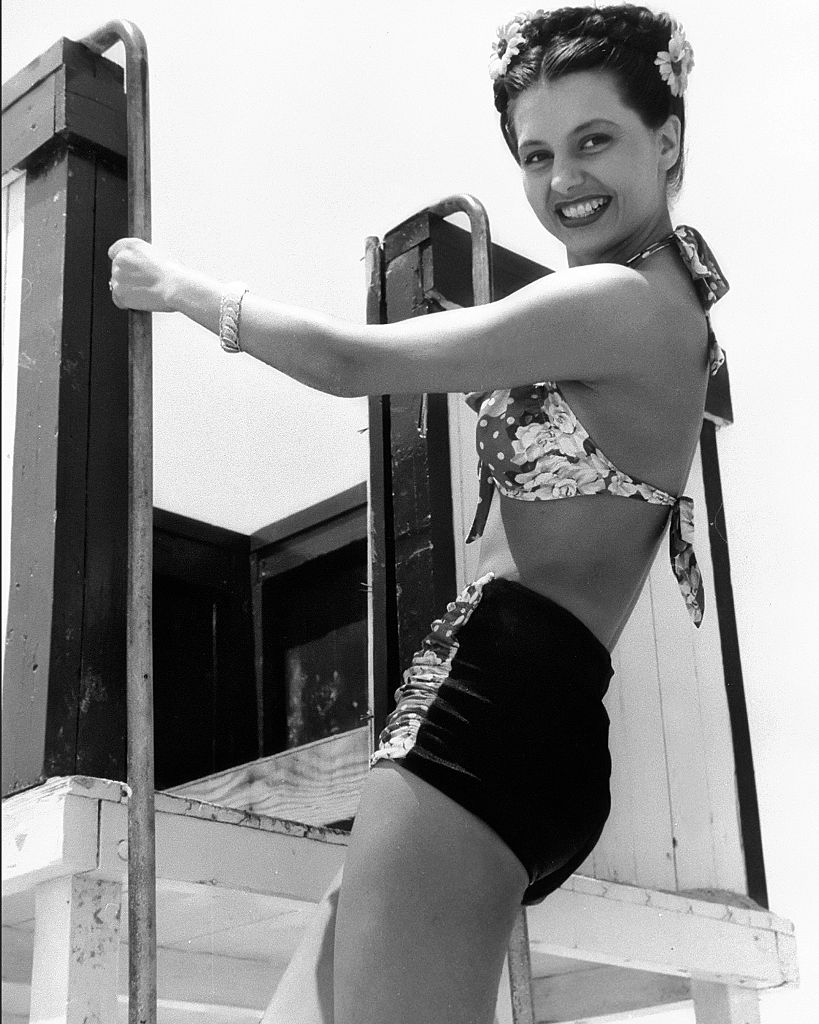
Born Tula Ellice Finklea on March 8, 1922, in Amarillo, Texas, Charisse faced adversity from the very beginning. She was a frail, sickly child, and her older brother nicknamed her “Sid” because he couldn’t quite say “Sis.” Later, producer Arthur Freed adapted it into the spelling we know today: Cyd.
But the biggest challenge came when she was struck by polio as a young girl. The disease left her weak and fragile. Her parents, desperate to help her, enrolled her in ballet lessons to strengthen her body.
“I was skinny, and it looked like a good way to build me up,” she recalled.
What started as therapy became a lifelong passion. Dance didn’t just heal her body—it shaped her future.
From Texas to Tinseltown
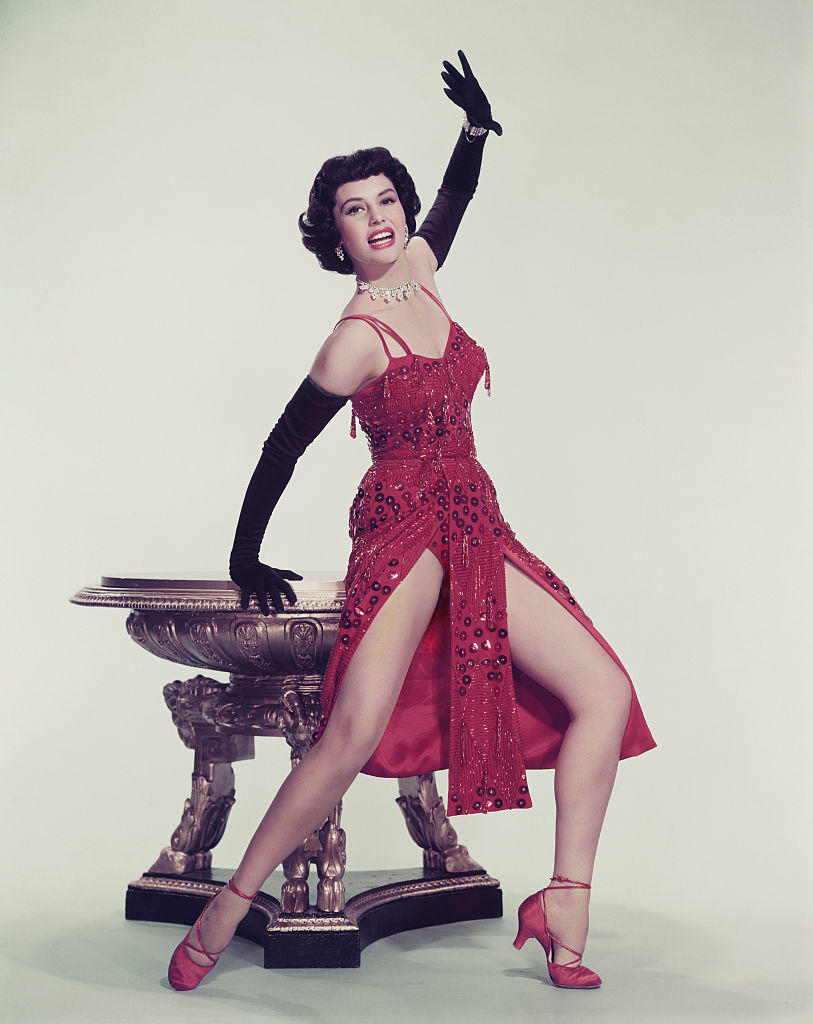
By her teenage years, Tula’s talent had already caught the attention of top dance instructors. She moved to Los Angeles to study under Adolph Bolm and later trained in London and Paris at prestigious ballet schools. She experimented with stage names—first adopting “Felia Sidorova” to emphasize a Russian ballet persona, and eventually settling on “Cyd Charisse,” combining a childhood nickname with her married surname.
Her first steps into film came through dance, not dialogue. She appeared uncredited as a ballet dancer in Something to Shout About (1943) and took small roles as a background dancer. But her poise, beauty, and screen magnetism were impossible to ignore. MGM recognized her potential and signed her during a period when studios were cultivating their own dance stars.
The Moments That Made Her a Legend
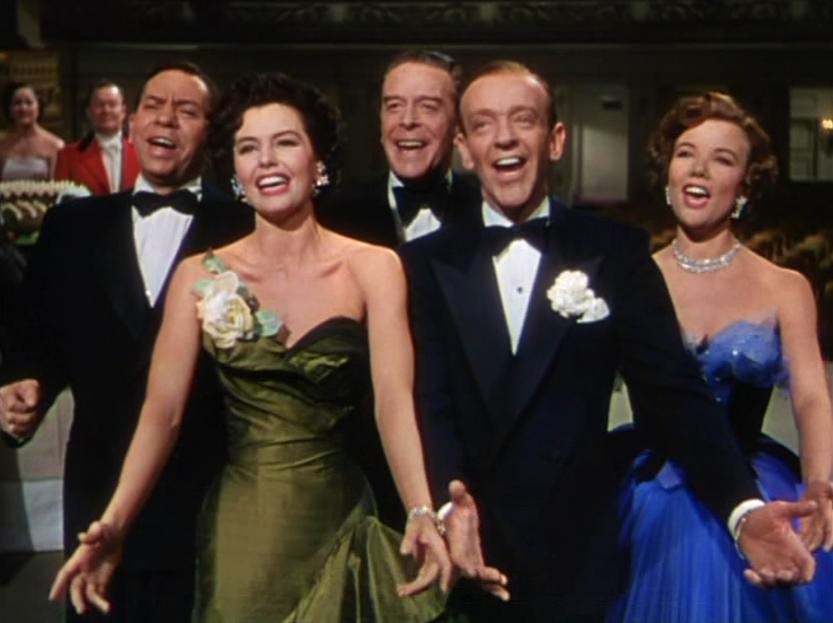
Though initially cast in minor films, Charisse captured the spotlight when she danced alongside Gene Kelly in Ziegfeld Follies (1945). Even in a brief role, her fluid movements and natural chemistry with Kelly drew attention.
Her defining moment came in Singin’ in the Rain (1952). Though she didn’t speak a single line, her performance in the iconic “Broadway Melody” sequence—clad in a shimmering green dress with her dark hair flowing and her legs seemingly endless—became one of musical cinema’s most unforgettable scenes.
Then came her collaboration with Fred Astaire in The Band Wagon (1953). Their “Dancing in the Dark” sequence showcased her perfect blend of subtlety, romance, and technical precision—earning Astaire’s praise as “beautiful dynamite.”
Apples and Oranges: Astaire vs. Kelly
When asked whether she enjoyed dancing more with Fred Astaire or Gene Kelly, Charisse gave a characteristically gracious reply:
“I’d say they were the two greatest dancing personalities ever to grace the screen. Each has a unique style and is a delight to work with. But it’s like comparing apples and oranges—they’re both equally wonderful.”
A Stable Life in a Chaotic Industry

Off-screen, Charisse was known for her professionalism and discretion, steering clear of Hollywood’s notorious party scene. In 1948, she married singer Tony Martin—a marriage that lasted over six decades until her passing. They met in classic Hollywood fashion, introduced by their shared agent.
Together, they had one child, and Charisse also had a son from a previous marriage. Despite her glamorous image, her personal life remained remarkably private, stable, and free from scandal—a rare feat in Hollywood.
Tragedy Strikes
But even those surrounded by Hollywood glamour are not spared from tragedy. On May 25, 1979, American Airlines Flight 191 crashed just outside Chicago, killing all 258 passengers, 13 crew members, and two people on the ground. Among the victims was Sheila Charisse, the 36-year-old wife of Nico Charisse—Cyd’s son from her first marriage.
The crash was the deadliest civilian air disaster in U.S. history before 9/11. It shook the flying public’s confidence in the DC-10 and left an indelible mark on the Charisse family.
Nico had just been admitted to the California Bar in 1977 and was beginning his career as a lawyer. Just two years later, his world—and his family’s—was shattered.
A Legacy That Continues to Dance
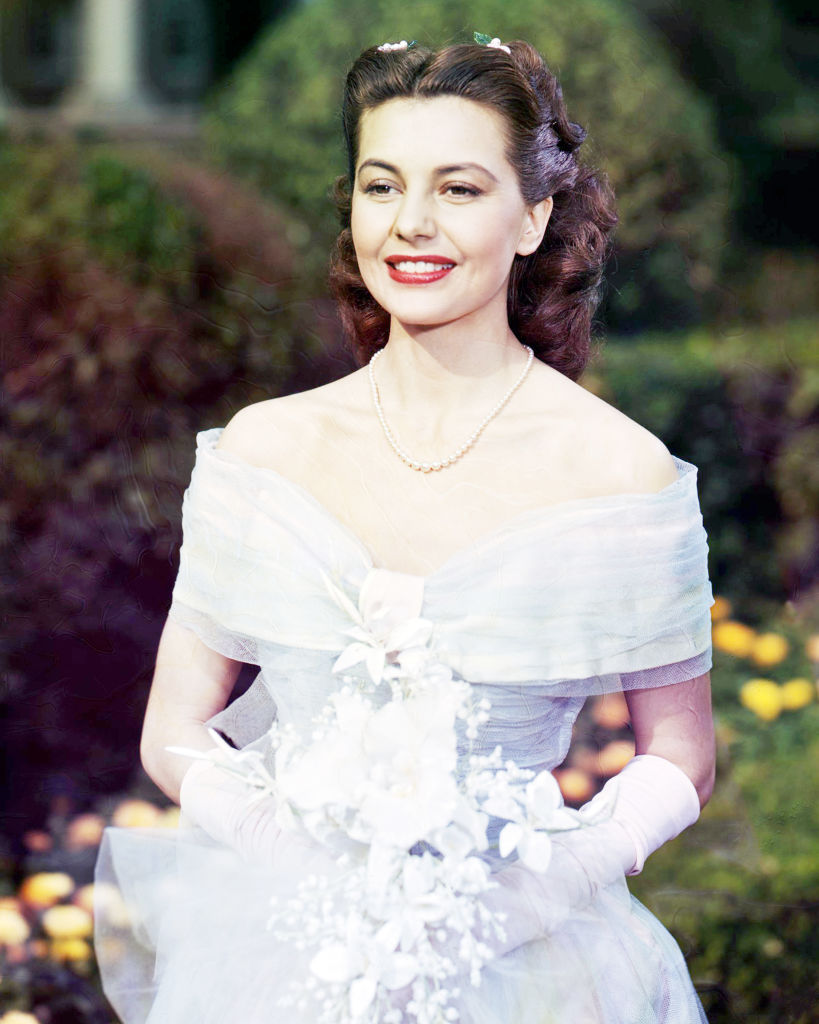
Cyd Charisse passed away on June 17, 2008, at age 86, following a heart attack. While her passing marked the end of an era, her influence continues to inspire dancers and performers worldwide.
Her contributions were formally recognized when she received the National Medal of Arts in 2006 from President George W. Bush, along with an honorary doctorate from the University of North Carolina School of the Arts.
She redefined what it meant to be a female dancer in Hollywood—never just a supporting presence, but often the emotional and visual center of her films. Decades later, audiences and critics alike still marvel at her performances. Whether it’s the sensual confidence she radiated in Singin’ in the Rain or the romantic sophistication of The Band Wagon, Cyd Charisse remains an enduring icon.
Her language was movement. And her legacy continues to dance on. 💃