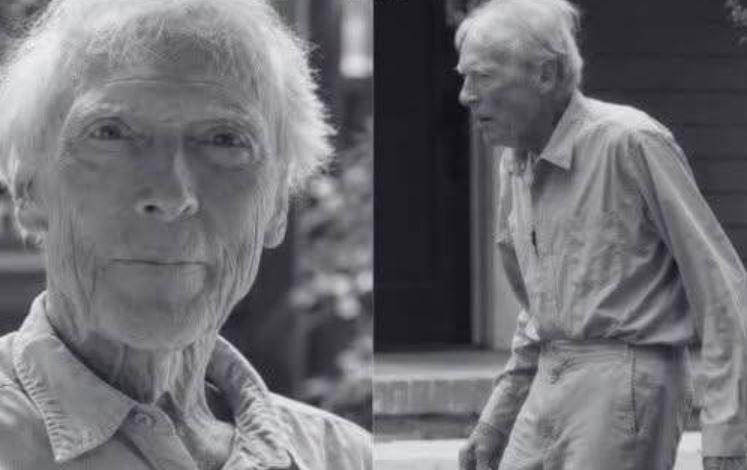
For decades, Clint Eastwood represented strength. On screen, he was the man who walked through impossible situations with calm confidence. The cowboy with the quiet stare. The detective who never backed down. The filmmaker who kept working long after most people would have stepped away. To millions of fans, Eastwood became a symbol of toughness — of independence, of someone who refused to let time define him. But as he reached his later years, a different kind of strength began to emerge. Not the strength of a movie hero. A quieter strength. The courage to acknowledge reality. The courage to talk honestly about growing older.
Because aging is something almost everyone experiences, yet few people truly want to discuss.
We celebrate birthdays. We celebrate longevity. We admire people who reach their nineties and beyond. But behind the numbers is a reality that is rarely shown: the physical changes. The emotional challenges. The shifting relationships. The silence that can sometimes come with living a long life. And this is where Eastwood’s story becomes something much bigger than Hollywood. It becomes a reflection of what it means to be human.
The Man Who Spent a Lifetime Defying Expectations

Eastwood’s career is almost impossible to summarize. For more than half a century, he has been one of the most recognizable figures in American entertainment. He became famous through Western films, built a reputation as a serious actor, and later established himself as an acclaimed director. Generation after generation discovered his work. Young audiences knew him from different films than older audiences did. But the image remained the same: a man who kept moving forward.
Even as decades passed, Eastwood continued working. He directed films. He appeared in movies. He remained creatively active. That determination became part of his identity. But time eventually reaches everyone. No matter how successful someone becomes, no matter how much admiration they receive, the human body follows its own path. Muscles change. Energy changes. Recovery takes longer. And accepting those changes requires a different type of courage.
The Physical Reality of Growing Older
One of the hardest parts of aging is recognizing that the body no longer responds the way it once did. Simple tasks can require more effort. Movements that once happened without thought may require planning. The body becomes something that must be listened to carefully.
For many older adults, aging is not one dramatic moment. It is a collection of small changes. A little less flexibility. A little less energy. A little more time needed to recover. The difference between youth and old age often appears slowly. One day, someone realizes they cannot move exactly the way they used to. They cannot stay awake as long. They cannot ignore physical discomfort. The body begins asking for patience. And for someone who spent a lifetime being physically capable, that adjustment can be especially difficult.
But the Hardest Part of Aging Is Often Not Physical

While physical changes are visible, many older people say the deepest challenges are emotional. Aging changes a person’s relationship with the world. Friends from childhood disappear. Old colleagues are gone. Family members who shared important chapters of life may no longer be there. The world becomes filled with memories of people who once made it feel complete.
This is a reality many older adults quietly experience. They carry decades of stories inside them. Stories about love. Stories about hardship. Stories about moments that shaped who they became. But sometimes, they have fewer people left who remember those moments. That can create a loneliness that is difficult to explain. Not because someone has nothing to say. But because fewer people remain who understand the full story behind those words.
Why Older People Tell the Same Stories Again and Again
Many families have experienced this moment. A grandparent tells a story they have already shared many times. The same childhood memory. The same family event. The same experience from decades ago. Younger people sometimes smile politely. They may think: “I have heard this before.” But there is often something deeper happening.
For many older adults, those memories are not simply stories. They are pieces of identity. They are proof of a life that mattered. When someone remembers the past, they are not always trying to entertain. Sometimes they are reconnecting with a time when they felt strong, needed, and surrounded by people they loved. Memories become bridges between the person they were and the person they are today.
The Past Becomes a Place Where They Still Feel Connected
For someone who has lived ninety or more years, the past contains an entire world. A childhood that no longer exists. Neighborhoods that have changed. Friends who are gone. A version of themselves that existed before responsibilities, losses, and time transformed everything.
Looking back is not necessarily about refusing to accept the present. It can be about preserving continuity. It is a reminder: “I was here.” “I experienced things.” “I mattered.” Every person carries a personal history. Older people simply carry longer ones.
A Society That Celebrates Age But Often Ignores Loneliness
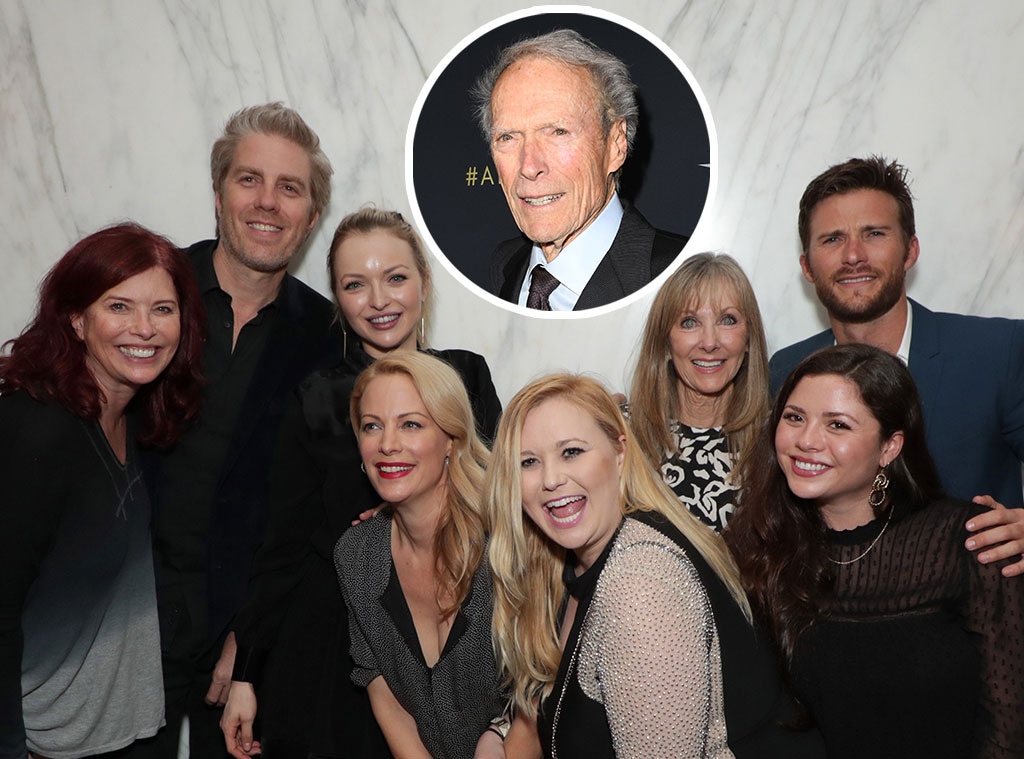
Modern culture often celebrates youth. Speed. Technology. Constant activity. New trends. New achievements. But aging requires something different. Patience. Presence. Listening.
Many older people do not need expensive gifts or grand gestures. Often, what they want most is simple: someone who will sit with them. Someone who will ask questions. Someone who genuinely wants to hear their story. A conversation that lasts an hour may mean more than people realize. Because attention is one of the greatest forms of respect.
The Elderly Are Living Libraries of Human History
Every older person carries something impossible to replace: experience. They remember a world that younger generations never knew. They witnessed changes in technology, culture, families, and society. They remember how people lived before modern conveniences. They remember lessons learned through struggle. They carry stories that may disappear if nobody asks.
A photograph can preserve a face. A recording can preserve a voice. But a conversation preserves something deeper. The meaning behind a life.
The Lesson Clint Eastwood’s Journey Represents
The greatest lesson about aging is not that life becomes smaller. It is that life changes. The things that matter evolve. When people are young, they often chase achievement. They chase recognition. They chase success. But later in life, many discover something different. The most valuable things are often connection and meaning. A conversation. A memory. A person who remembers your name. Someone who cares enough to listen.
The Beauty Hidden Inside a Long Life
Wrinkles are often described as signs of aging. But they are also evidence of experience. Every line on a person’s face represents something. A difficult year survived. A joyful moment remembered. A loved one embraced. A challenge overcome. A life fully lived.
A person who reaches an advanced age is carrying a story that took nearly a century to write. And that story deserves attention. Not because every memory is perfect. Not because every lesson applies to everyone. But because every human life contains something valuable.
The Greatest Gift We Can Give Older Generations
Sometimes the most meaningful thing we can offer is not advice. It is not a solution. It is simply time. Time to listen. Time to ask. Time to understand.
Because one day, every generation becomes the older generation. And the way we treat elderly people today shapes the world we will eventually live in.
Clint Eastwood’s long journey reminds us of something simple: Growing older is not only about losing things. It is also about carrying things forward. Memories. Lessons. Stories. Love.
The greatest respect we can give someone who has lived a long life is not to rush them. It is not to ignore their repeated stories. It is not to treat their experiences as something from the past. It is to sit beside them and say: “Tell me again.”
Because sometimes, inside those old stories, we discover the history of who we are. 💛