In the winter of 1987, on a rocky spit of land off the coast of Maine, lighthouse keeper Arthur Voss did what he’d done every night for eleven years: climbed the spiral stairs at dusk, lit the lamp, and logged the weather in his leather-bound journal. By morning, he was gone.
The lighthouse — a squat, whitewashed structure locals called “the Widow’s Watch” — sat on an island reachable only by a supply boat that came twice a week. When the boat arrived that Thursday, the captain found the light still burning, the door unlocked, and a pot of coffee gone cold on the stove. Arthur’s boots sat by the door. His coat was missing. There was no sign of a struggle, no sign of forced entry — and no body. Not that day, and not ever.
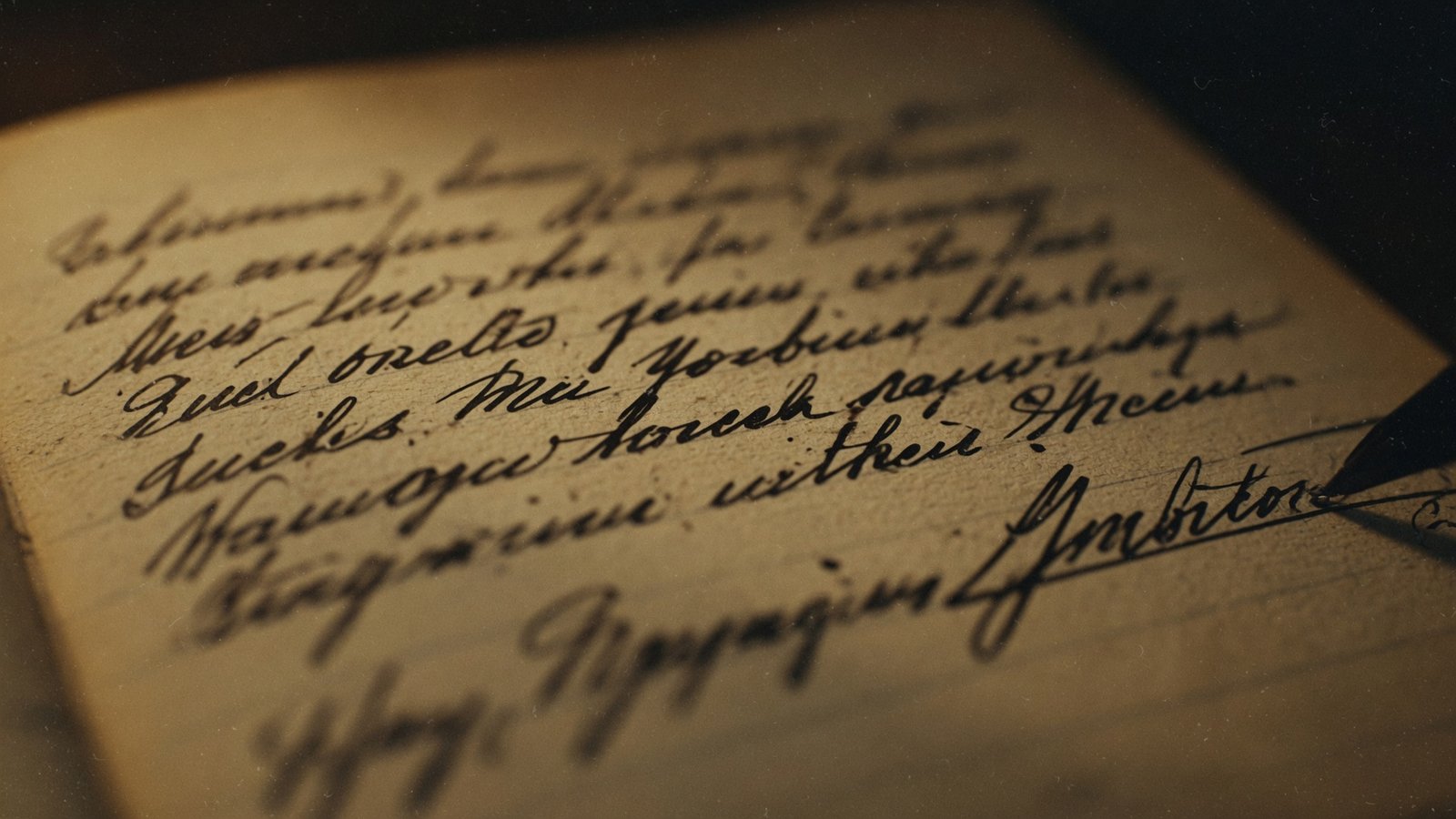
The only real clue was the final entry in his logbook. Weather, wind speed, visibility — all routine, written in his usual steady hand. But beneath it, in different, hurried handwriting, were three words: “She came back.”
No one could explain who “she” was. Arthur was a widower. His wife, Margaret, had died four years earlier in a boating accident near that same island. Locals whispered about ghosts. The Coast Guard dragged the surrounding waters for weeks and interviewed every fisherman who worked those channels. Nothing turned up. The case went cold, officially filed as a presumed drowning, and the lighthouse was automated and left to the weather.
For almost thirty years, “She came back” lived on as local legend — the kind of story fishermen told new deckhands to unsettle them on long night hauls. Some said Margaret’s spirit lured Arthur into the sea. Others figured isolation and grief had simply broken him, and he’d walked into the water himself.
Then, in 2016, a maritime historian cataloging old Coast Guard records for a preservation project requested the original supply boat logs from that winter — the same ones kept by the captain who’d found the lighthouse empty. Buried in a routine cargo manifest from two days before Arthur disappeared was a single overlooked line: an unscheduled delivery of a nurse’s uniform, a set of women’s clothing, and a small trunk — addressed not to Arthur, but to “M. Voss.”
Margaret’s death certificate had never listed a burial. Her boating accident had never actually been witnessed by anyone but Arthur, who reported it after the fact. No body was ever recovered in 1983, either.
The discovery reopened a question no one had thought to ask in 1987: what if Margaret hadn’t drowned at all? What if she’d staged her own death — and what if, four years later, she really did come back, exactly as her husband’s handwriting suggested?
To date, no further evidence has surfaced. Arthur Voss was never found. Margaret’s ultimate fate is just as unknown as his. The lighthouse still stands today, automated and unmanned, its logbook preserved behind glass in a small maritime museum — open, permanently, to the page that ends in three words no one has ever fully explained.
Was it a marriage that ended in a decades-long deception? A confrontation that spiraled into a second disappearance? Or something else entirely — something closer to what the old fishermen always insisted?
We may never know for certain. But the shipping manifest is real, the logbook is real, and somewhere between those two pieces of paper is a truth that took thirty years to even start asking about.