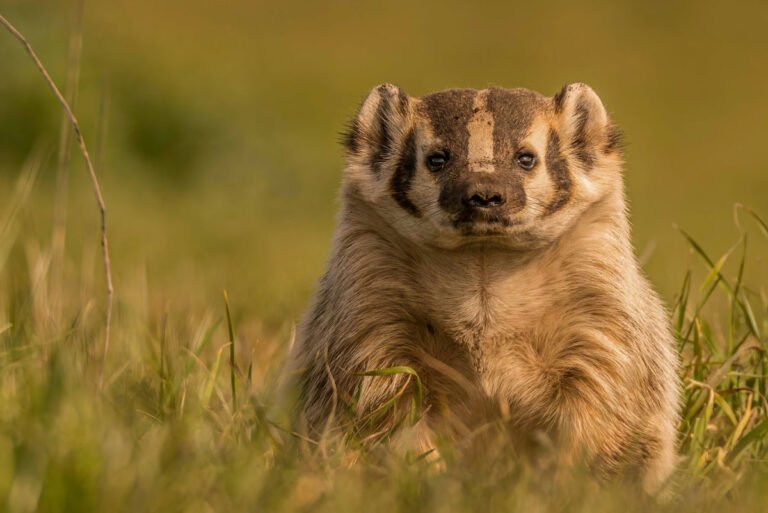
It started with a single photo. On October 20, the Ohio Department of Natural Resources Division of Wildlife posted a picture of an American badger photographed at Willard Marsh Wildlife Area in Huron County — and the internet did the rest.
Within days, the post had racked up more than 5,400 reactions, over 900 shares and hundreds of comments. But scroll through those comments and one reaction drowns out all the others: pure disbelief. "We have badgers in Ohio?! Has that always been a thing?" one commenter wrote — speaking for thousands of people who had lived in the state their whole lives without ever knowing.
The Photo That Started It All
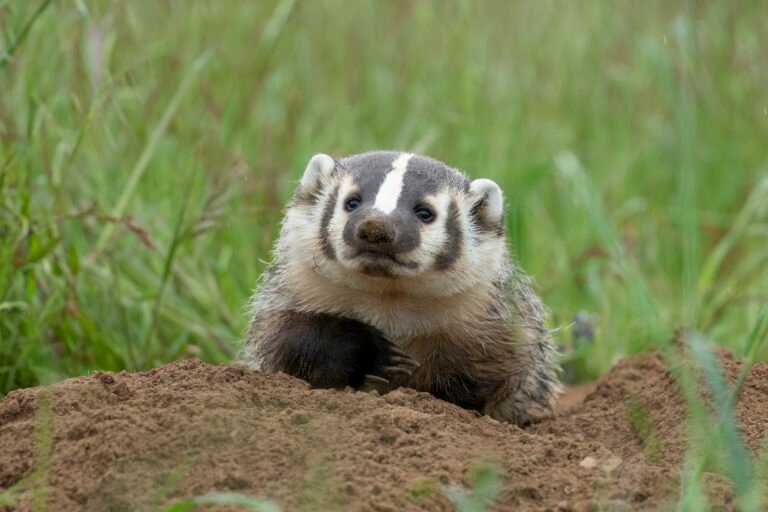
The badger in the viral photo was spotted at Willard Marsh Wildlife Area, a public wildlife area in Huron County in north-central Ohio. It's the kind of place hikers and hunters pass through all the time — which is exactly what makes the sighting so remarkable. This animal had likely been living there, unseen, for a long time.
Ohio's Division of Wildlife shared the image as part of its effort to spotlight the state's lesser-known wildlife. They probably expected a modest response. Instead, the post became one of the agency's most-shared of the year, carried almost entirely by one emotion: surprise.
Some commenters shared their own stories — a badger in a house in Findlay, fleeting glimpses on country roads years ago that they had never been quite sure about. Others simply couldn't get over the fact that an animal they associated with the far western prairies was living quietly in Ohio farmland country.
Meet the American Badger: Built Like a Tiny Bulldozer
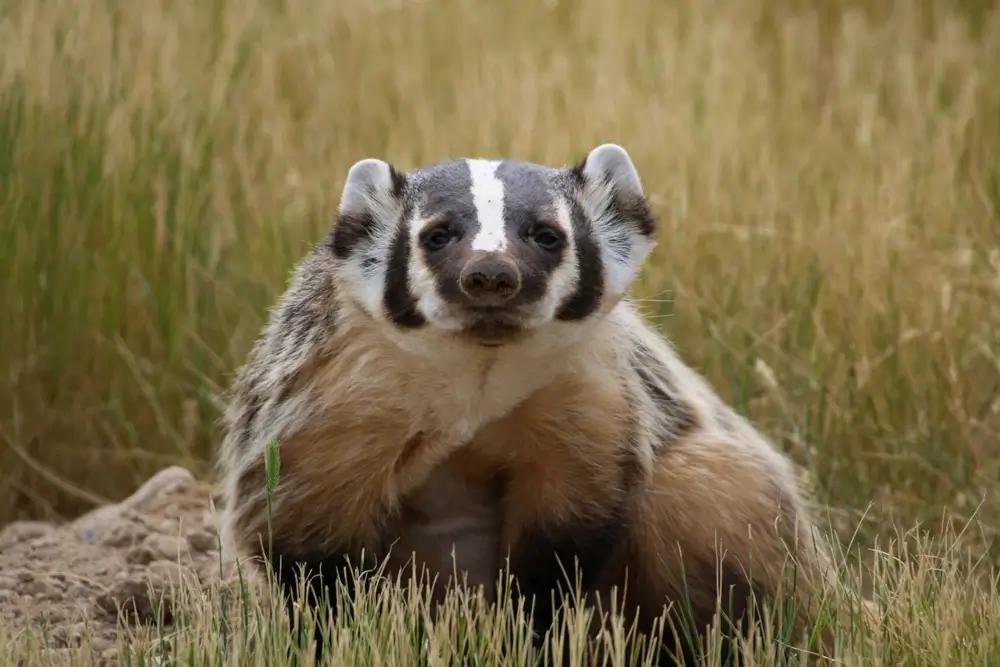
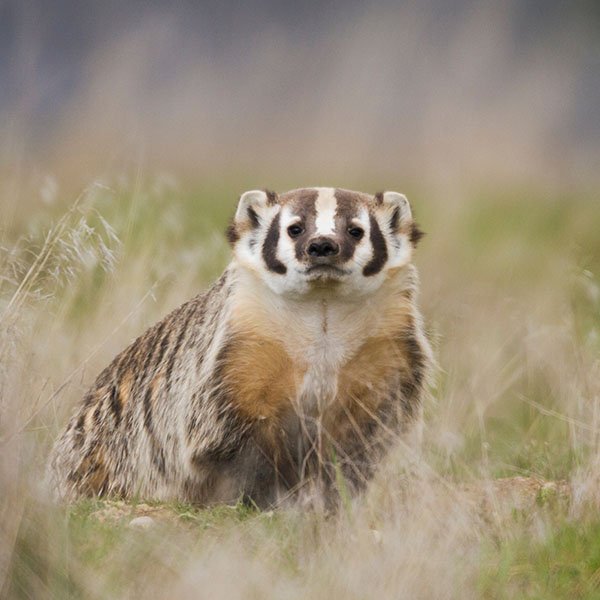
The American badger (Taxidea taxus) is one of North America's most formidable small predators. Stocky, low-slung and astonishingly muscular, an adult weighs roughly 15 to 25 pounds — but what it lacks in size it makes up for in engineering. Its front claws can grow over an inch long, and it can dig itself completely underground in a matter of minutes.
That digging power is its whole lifestyle. Badgers hunt ground squirrels, prairie dogs, mice and other burrowing animals — often digging their prey out of the ground faster than the prey can dig away. Farmers have mixed feelings about the holes they leave, but badgers provide free, round-the-clock rodent control wherever they live.
The bold black-and-white face markings aren't just for looks. Like a skunk's stripes, they're a warning: this animal is famously fearless, and will stand its ground against predators many times its size. Most animals take the hint.
Why Almost Nobody Ever Sees One
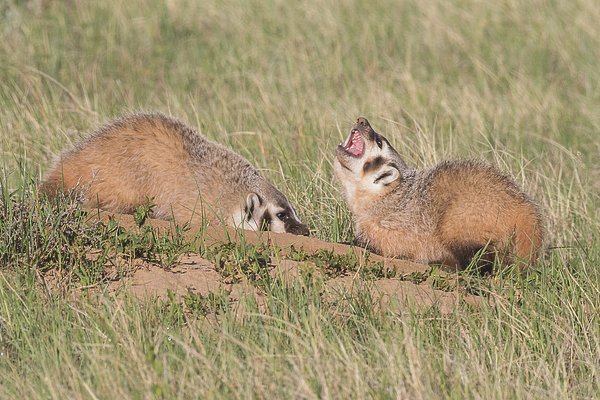
If badgers live in Ohio, why has almost no one seen one? The answer is a lifestyle designed for invisibility. Badgers are mostly nocturnal, spending the daylight hours asleep in burrows they dig fresh nearly every day. A badger may use dozens of different burrows scattered across its territory, never staying in one place long.
They're also solitary and wide-ranging. Outside of mothers raising cubs in spring, an American badger lives alone and covers a lot of ground at night, moving through fields and along fencerows in the dark while everyone else is asleep.
The result, as the ODNR itself notes, is that it's genuinely difficult to get an accurate count of how many badgers live in Ohio. The state knows they're there — roadkill records, occasional sightings and now trail cameras prove it — but the population could be small and scattered, or simply very, very good at hiding.
A Secret Family Life Underground
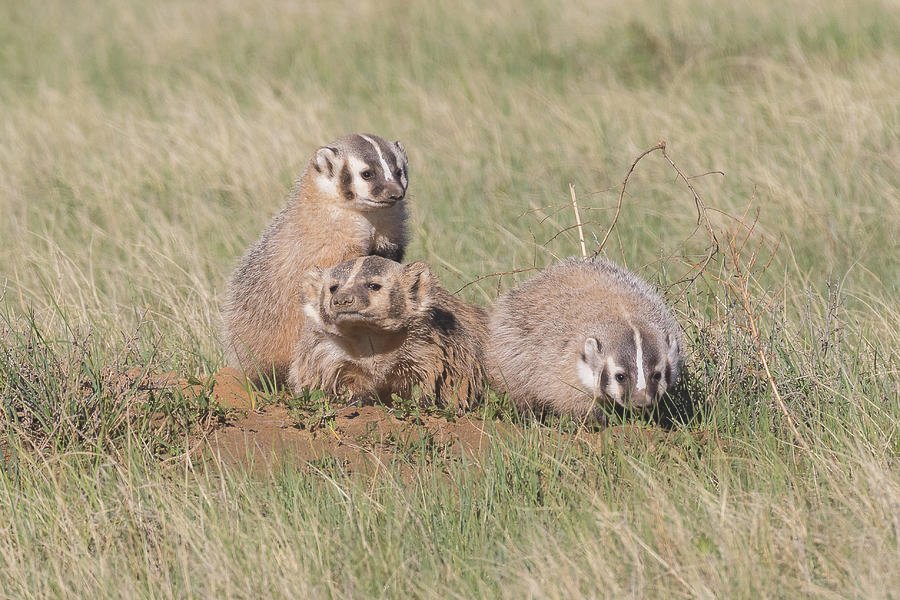
In late winter and early spring, a female badger gives birth to a litter of one to five cubs in a larger, deeper burrow called a natal den. The cubs are born blind and helpless, and for their first weeks of life they exist in total darkness underground, known to almost nothing else in the world.
By the time they're about two months old, the cubs begin poking their heads out of the den entrance — which is exactly the kind of moment trail cameras and patient photographers occasionally capture. The young badgers play-fight, practice digging, and learn to hunt alongside their mother before striking out on their own in the fall.
It's a hidden rhythm of life that has played out in Ohio fields for generations, almost entirely unwitnessed — until a camera happens to be pointing the right way at the right moment.
Not Just Huron County: Badgers Are Turning Up Across Ohio
Willard Marsh isn't an isolated case. Trail cameras captured badgers in both Sandusky County and Ashland County in December 2025, and sightings have trickled in from across northern and western Ohio — the parts of the state where open grassland and farmland most resemble the badger's classic prairie habitat.
Wildlife biologists think Ohio has likely always been at the eastern edge of the badger's range. The difference now is technology: cheap trail cameras on farms and hunting land are documenting animals that previous generations only suspected were there.
So what should you do if you're lucky enough to spot one? Admire it from a distance — badgers are wild, powerful and best left alone — and consider reporting the sighting to the Division of Wildlife. Every confirmed report helps the state map where these secretive animals actually live. And if you capture a photo, who knows? Yours might be the next one an entire state can't stop sharing.