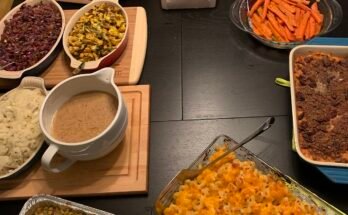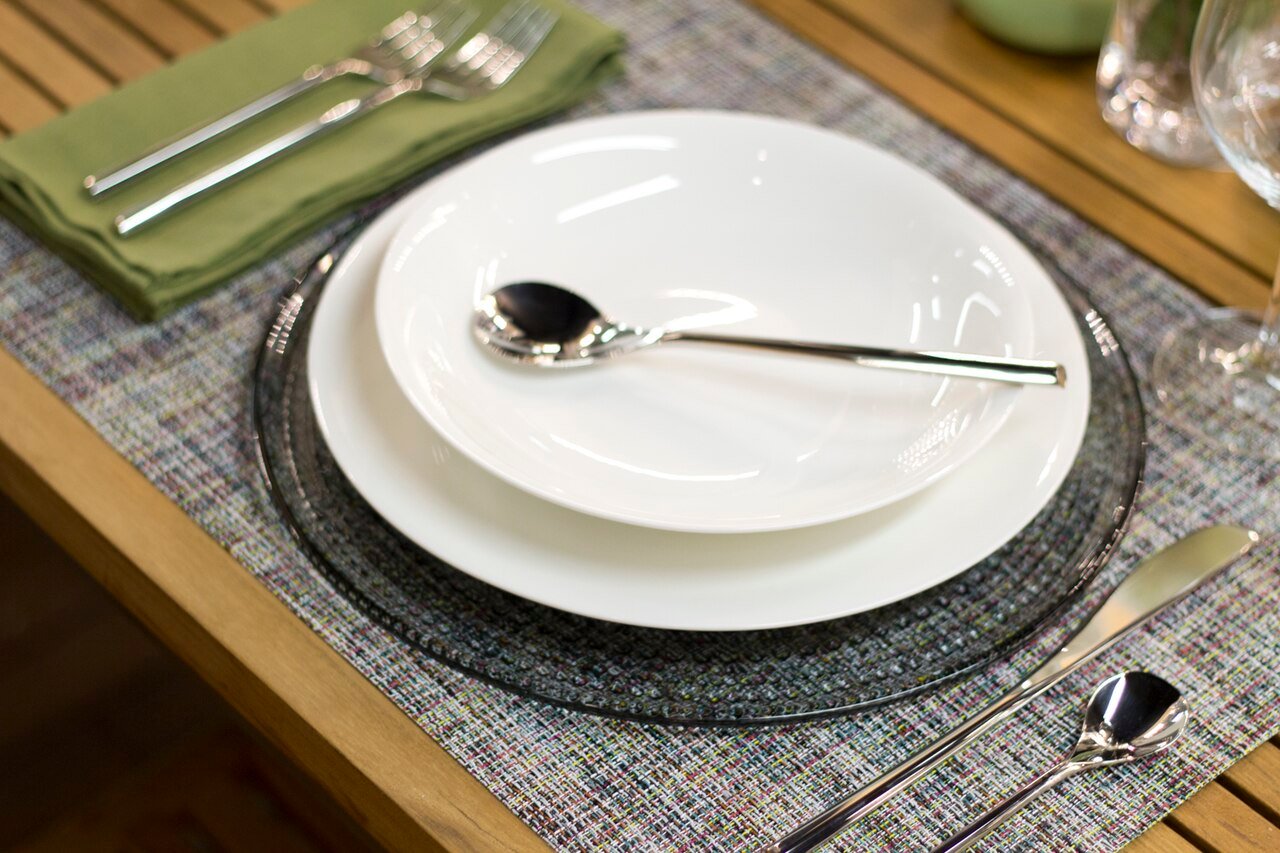
This year, the Thanksgiving tables getting saved the most are not the loudest ones. They are the calm ones: deep greens, soft sage, fresh eucalyptus, warm brass, and amber glass glowing under low candlelight.
The look has a name in 2026 decor circles: Grounded Greens. It works because it borrows its palette from nature instead of from a party store, so it photographs beautifully, matches almost any dinnerware you already own, and never fights with the food for attention.
Below is the full guide: the exact palette, how to build the garland runner, the place-setting formula, the centerpiece height rule that keeps conversation easy, and the warm metallic touches that make the whole table glow.
The Grounded Greens Palette, Explained
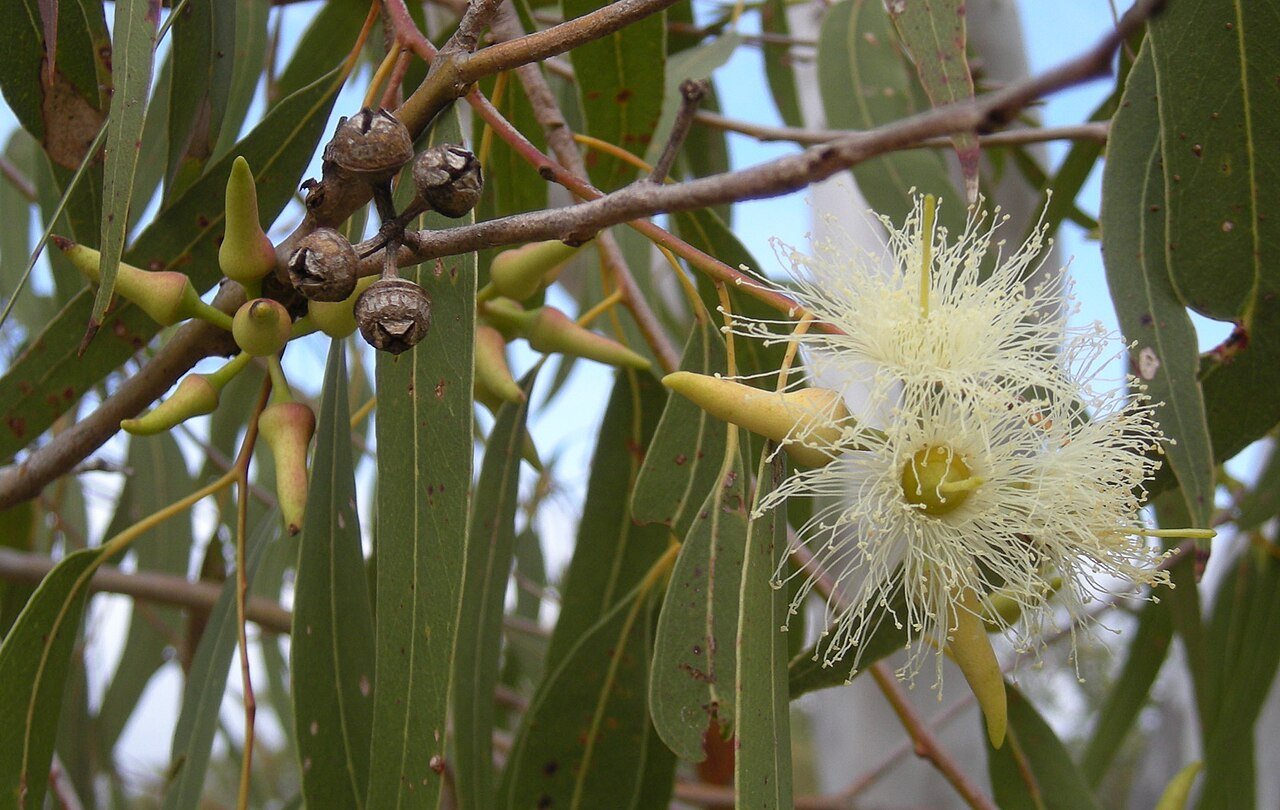
Start with three greens, not one. Deep forest green anchors the table through the tablecloth or runner. Olive softens it in napkins or a second layer of linen. Sage lightens everything at the edges, in sprigs tucked into napkin rings or small bud vases.
Linen is the fastest way to commit to the palette, and it does not require buying a new tablecloth. A forest green runner over a plain cream or natural linen cloth gives you the anchor color for a fraction of the price, and it leaves the wood visible at the edges, which keeps the table from feeling heavy. Fold an olive napkin simply and tuck a single sprig of eucalyptus or rosemary into the fold; the sprig doubles as a place-card holder if you tie a small paper tag to it with twine.
Then add two warms: brass for candlesticks, flatware, or charger rims, and amber glass for goblets or votives. The warms are what stop the greens from looking cold or flat. Without them, a green table can read as a garden party in November; with them, it reads as Thanksgiving dinner.
Keep everything else quiet. White or cream plates, clear water glasses, and plain wood or linen textures let the greens and brass do the talking. If you own patterned china, let one pattern appear at each place and keep the rest of the table solid.
Layer the Place Settings
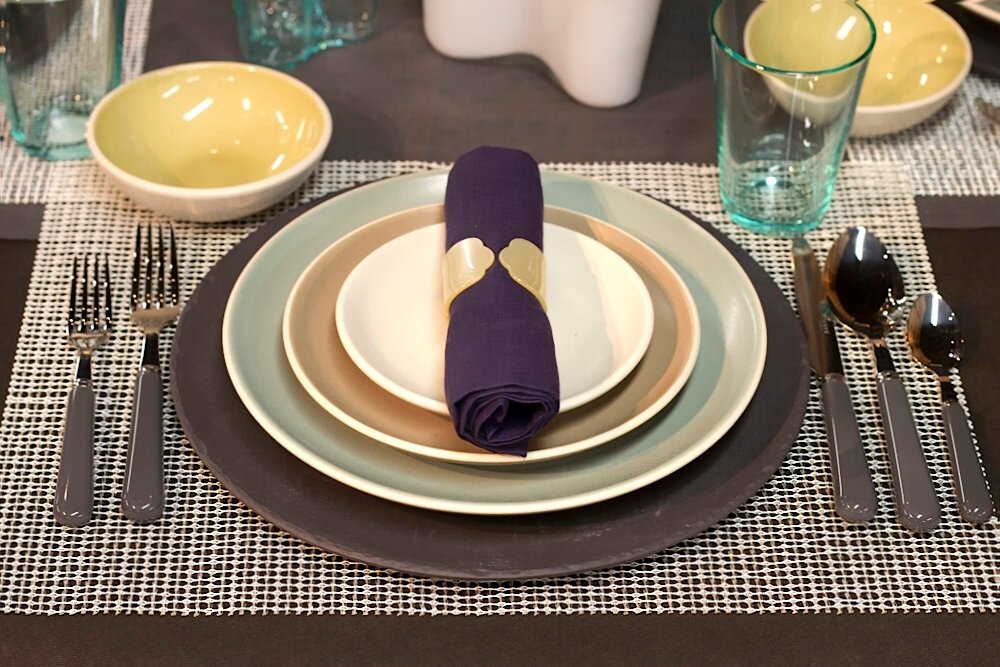
The formula is simple: charger, dinner plate, salad plate, napkin on top. A brass or gold charger instantly warms a green table; if you do not own chargers, a large rattan or wood placemat gives the same layered effect for far less money.
Mix, do not match, your whites. A cream dinner plate with a bright white salad plate looks intentional, not accidental, as long as both are plain. Add one contrasting piece per place, like an amber glass or a small sage bowl for cranberry sauce, and the setting feels collected rather than store-bought.
Flatware stays classic: polished silver or gold-tone, nothing novelty. The one playful move allowed is the napkin ring. Brass rings, wooden beads, or simple twine with a dried orange slice all fit the palette and cost almost nothing.
Build a Low, Lush Centerpiece
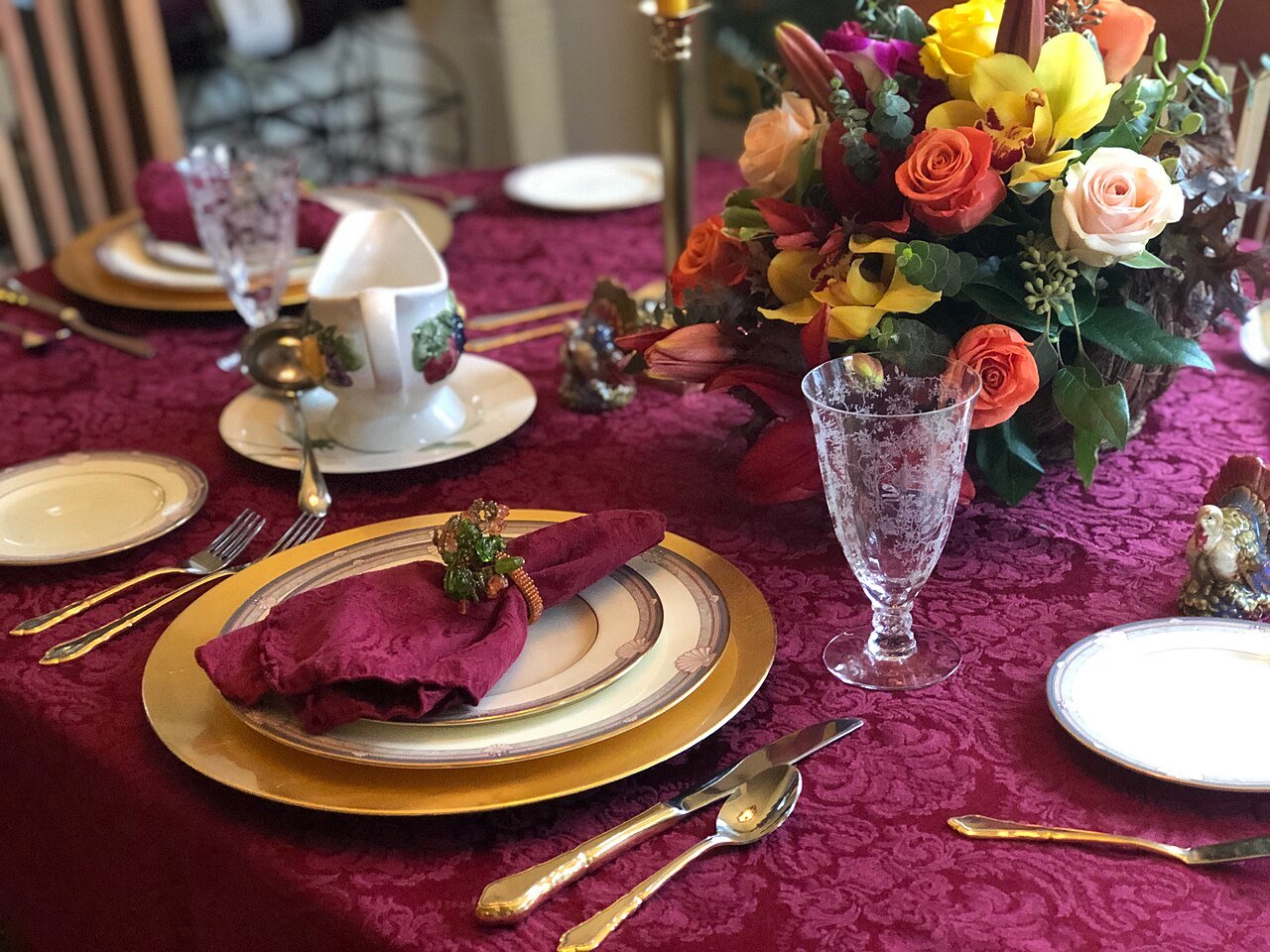
The centerpiece rule that matters most is height: guests across the table should be able to see each other's faces without leaning. Keep the main arrangement under about twelve inches tall, or use a long, low garland runner instead of a tall bouquet.
For the garland, lay fresh eucalyptus down the center of the table in a loose, slightly messy line, then tuck in a few cream roses, dried orange slices, or small white pumpkins where the garland looks thin. Mist it lightly the morning of dinner so it looks fresh at seating time, and keep candles clear of any dry leaves.
If you prefer one arrangement to a runner, use a wide, shallow bowl: a mound of eucalyptus, olive branches, and cream flowers, with three short pillar candles around it rather than inside it. The bowl reads as abundant from every seat, and nothing blocks anyone's view.
One more practical tip: build the centerpiece the day before, minus any fresh flowers, so Thanksgiving morning is not spent arranging greenery. Add the flowers and light the candles only when guests arrive, and keep a small pair of scissors nearby for last-minute trims. A centerpiece that survives the whole meal without shedding leaves onto plates is worth more than a dramatic one that falls apart by the main course.
Add Brass and Amber for the Glow
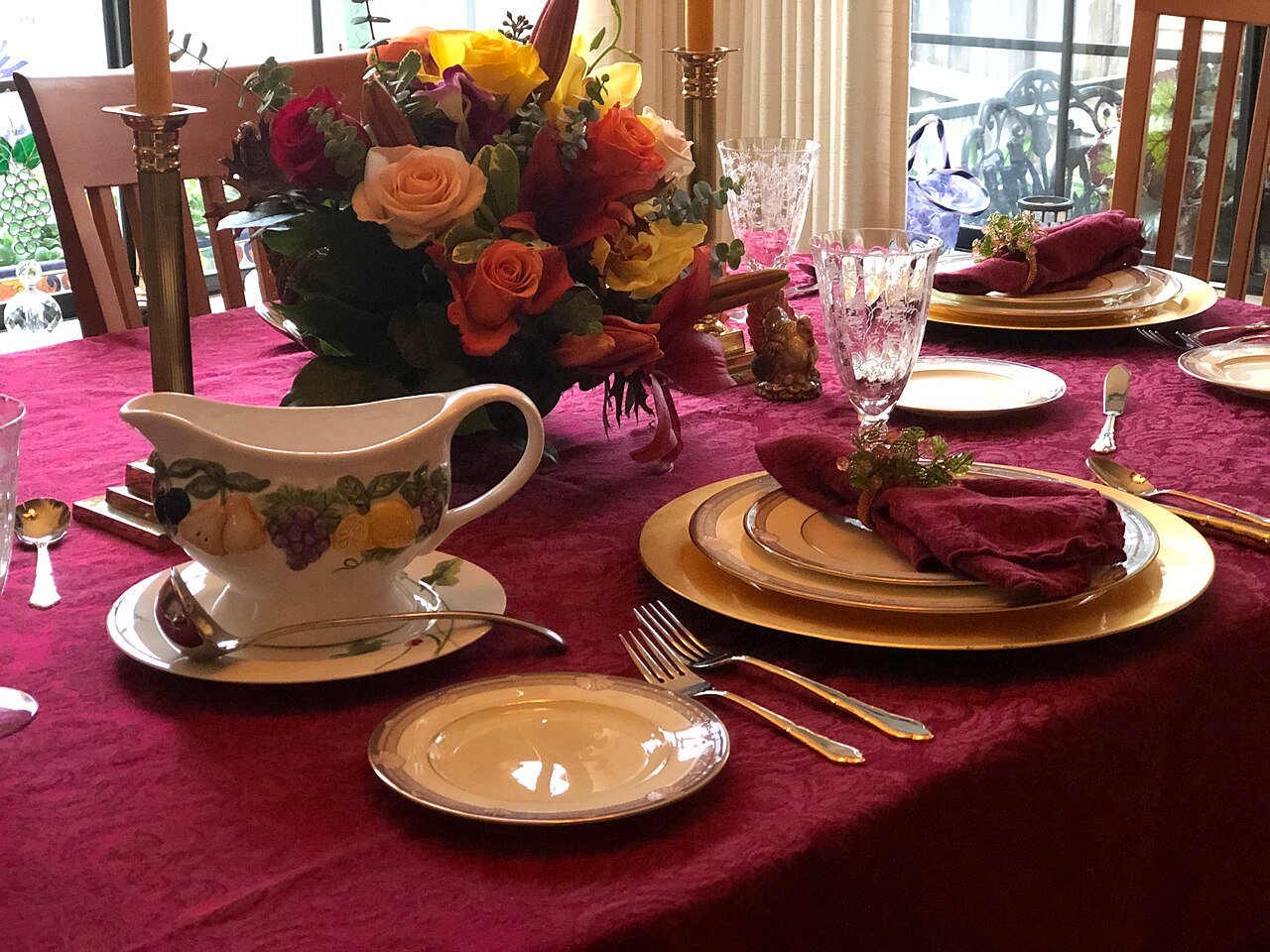
Brass is the jewelry of this table, and a little goes a long way. Two or three brass candlesticks of different heights, grouped at one end of the runner rather than spaced evenly, look collected and modern. Taper candles in cream or soft amber keep the light warm; white tapers can look stark against deep green.
Amber glass does the same work at each place. Amber goblets, amber votives, or even amber-tinted water glasses catch candlelight and throw a golden tint across the linen. If amber glassware feels like a splurge, amber votive holders scattered along the runner give you the same glow for a few dollars.
Finish with the smallest details: a brass or wood name card at each place, a single dried orange slice on the salad plate, and dimmed overhead lights once everyone sits down. The table does not need more. Grounded Greens works because it knows when to stop.
If you are shopping from scratch, buy in this order: taper candles and holders first, then amber votives, then chargers last. Candles change the whole room for the least money, while chargers only matter once everything else is already in place. And whatever you buy, buy one extra taper and one extra votive; something always burns faster than expected, and a spare keeps the glow even through dessert.